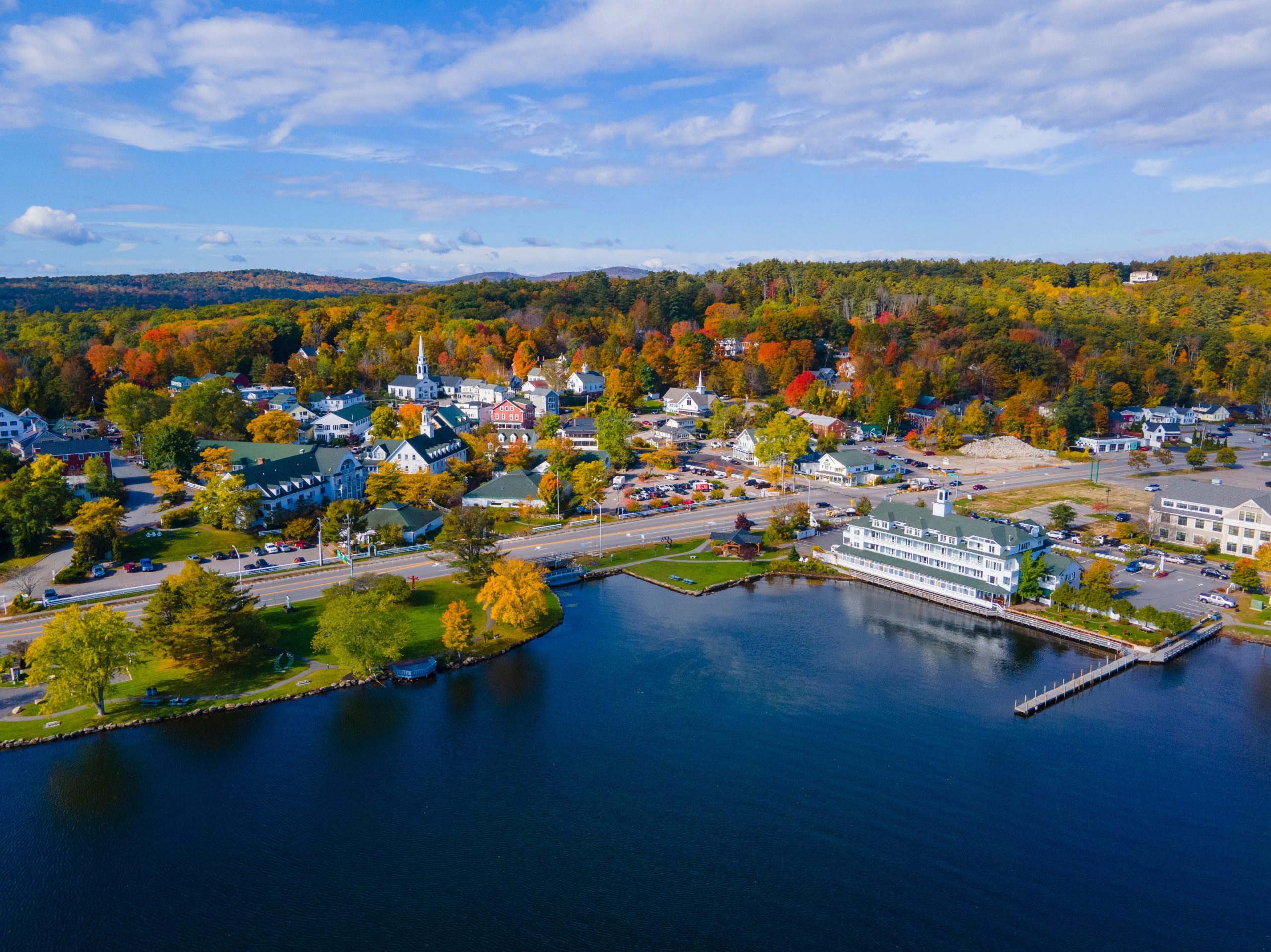
As we move deeper into the summer of 2026, the Lakes Region real estate market is showing a welcome shift: more choices for buyers without a collapse in values. After several years of extremely tight inventory, single-family homes for sale across the 25 towns that make up our region have climbed to 546 listings as of late June, with a median asking price of $699,000. That’s a noticeable increase from recent years and has helped push the market closer to a balanced footing.
Yet prices remain resilient. From January 1 through June 29, 2026, there were 539 single-family home sales totaling more than $436 million. The median sales price hit $535,000 — up 10.3 percent from the same period in 2025 — while total sales volume rose nearly 20 percent even though the number of transactions was essentially flat. These numbers were heavily influenced by waterfront properties. Median days on market moved only modestly higher to 16 days. In short, homes that are priced and presented well continue to sell.
Waterfront and Luxury Still Lead
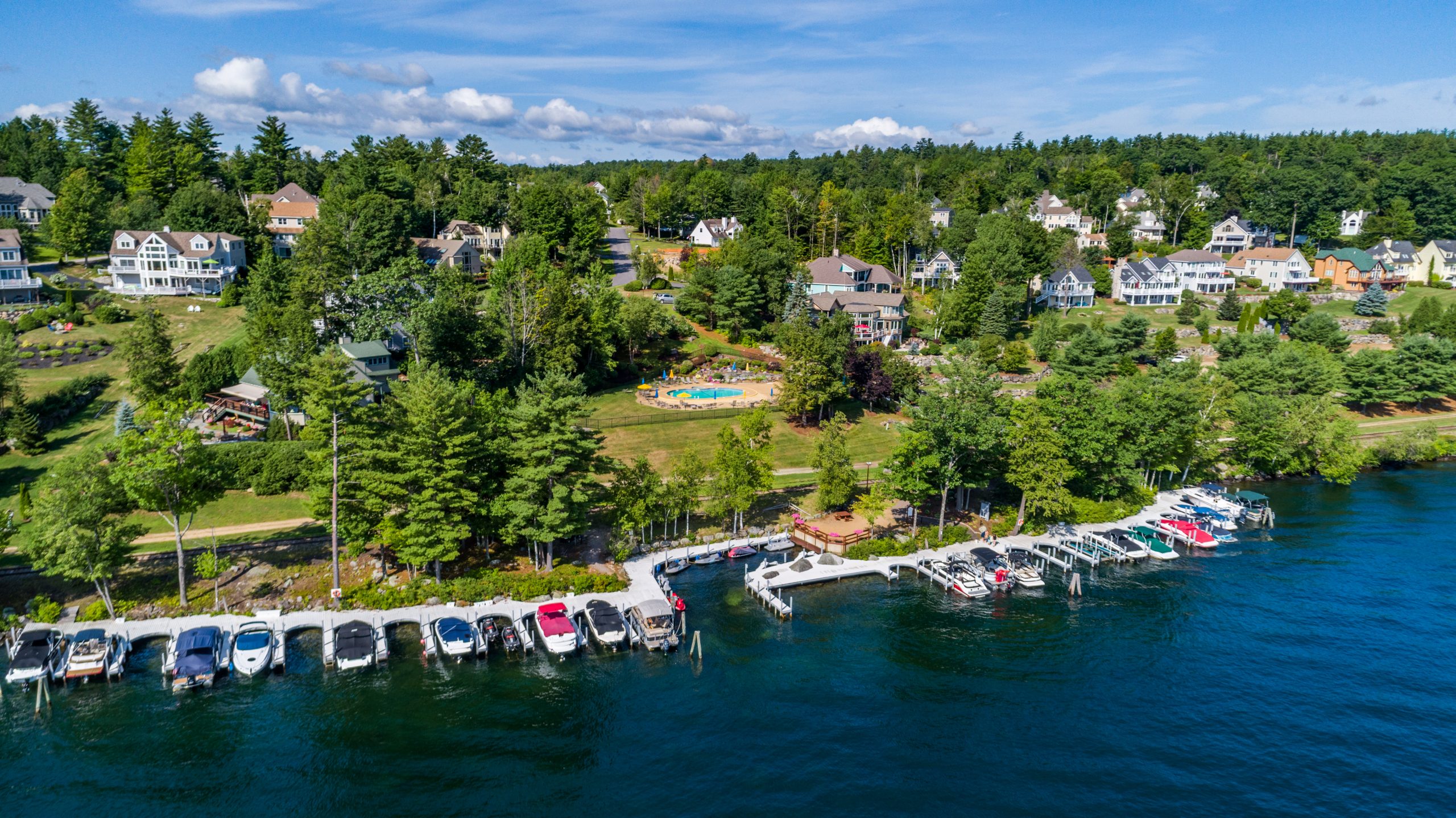
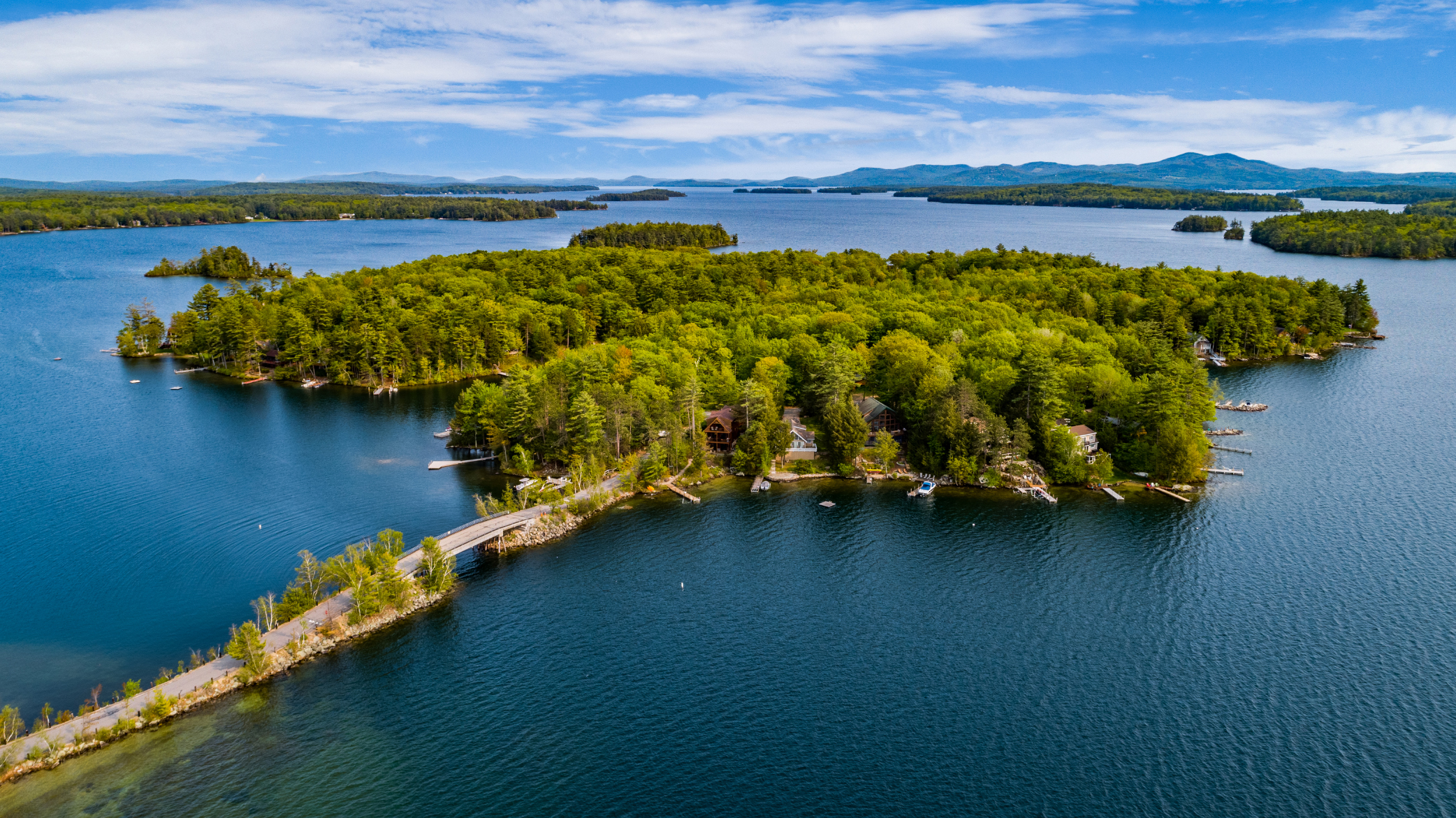
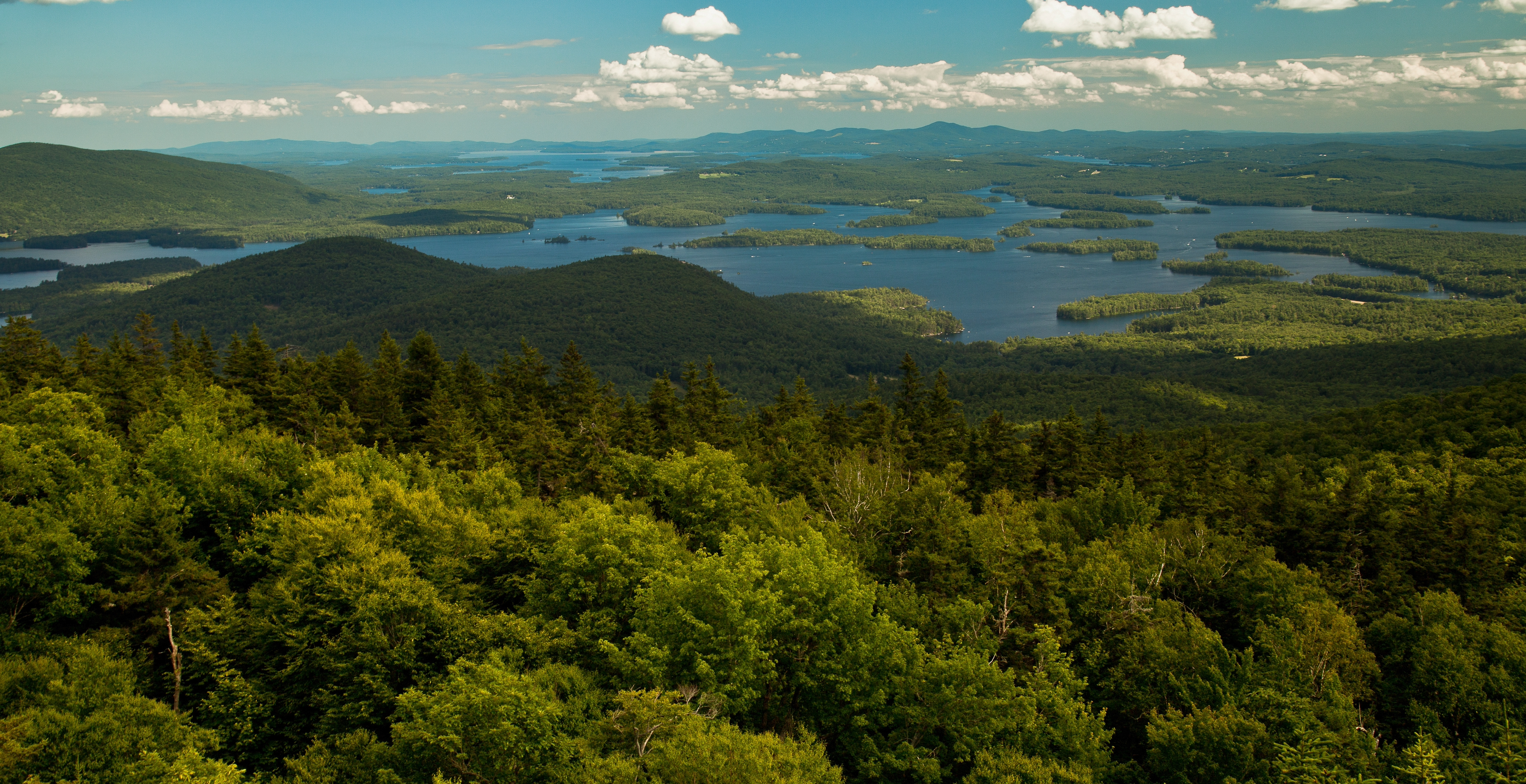
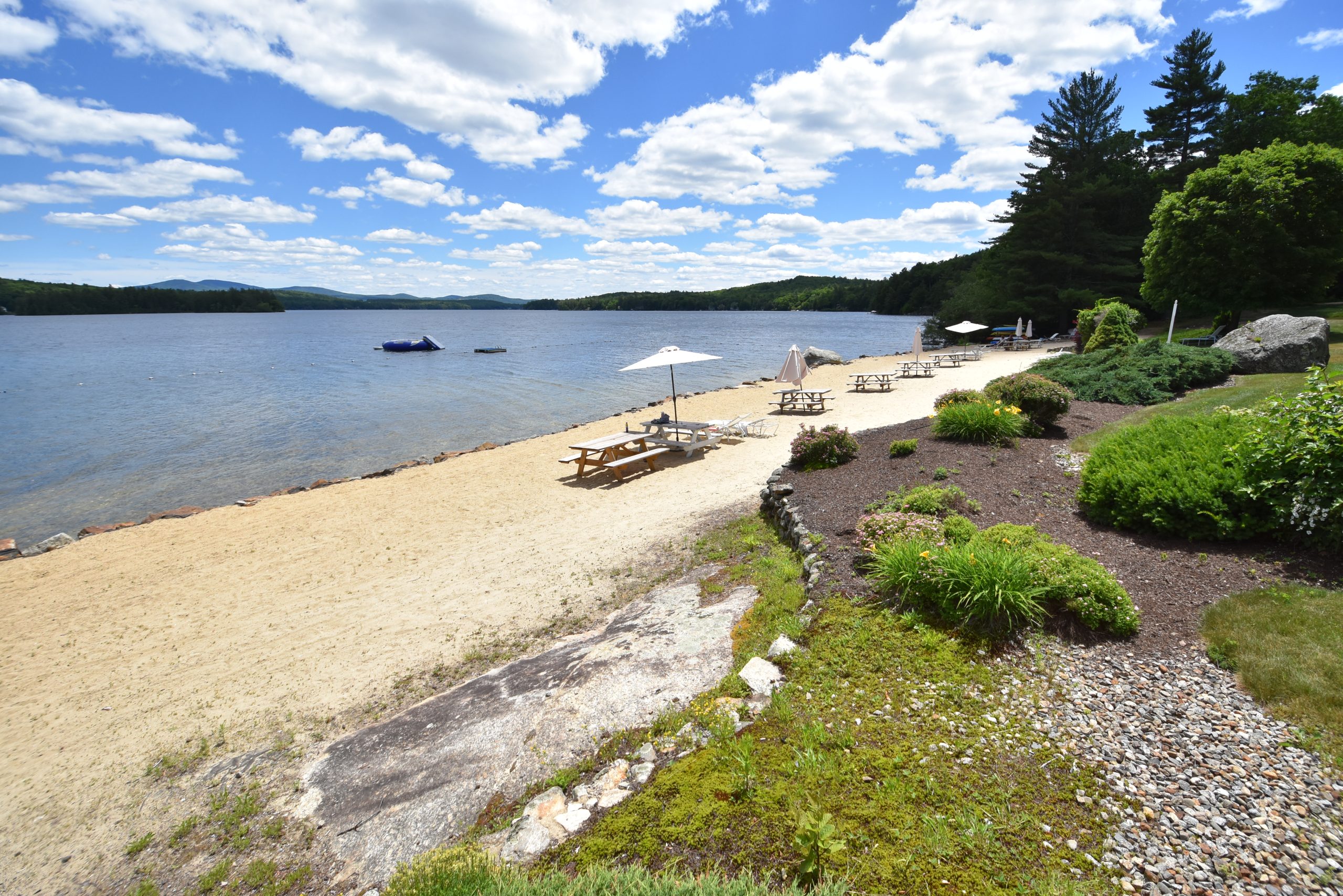
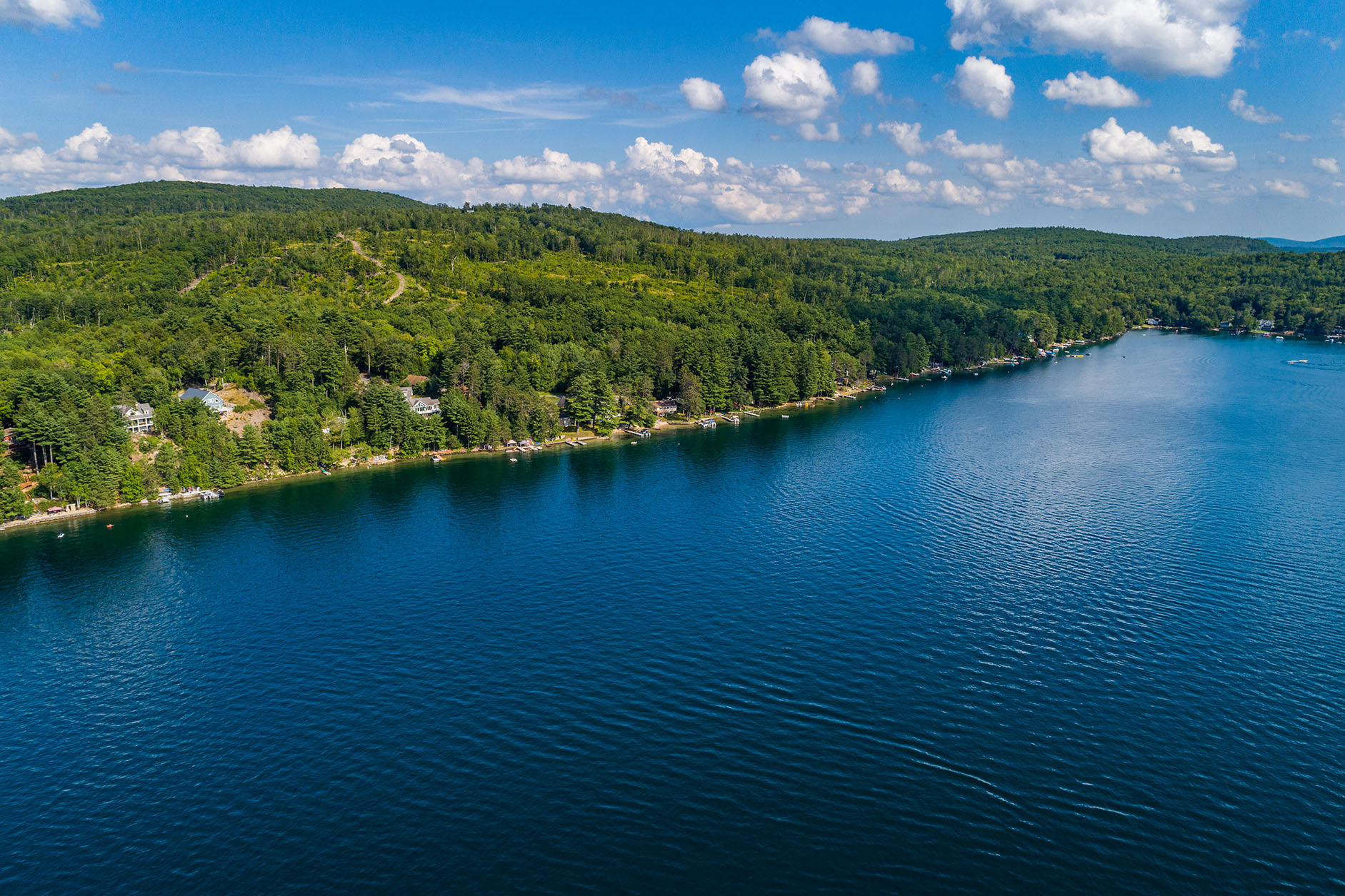
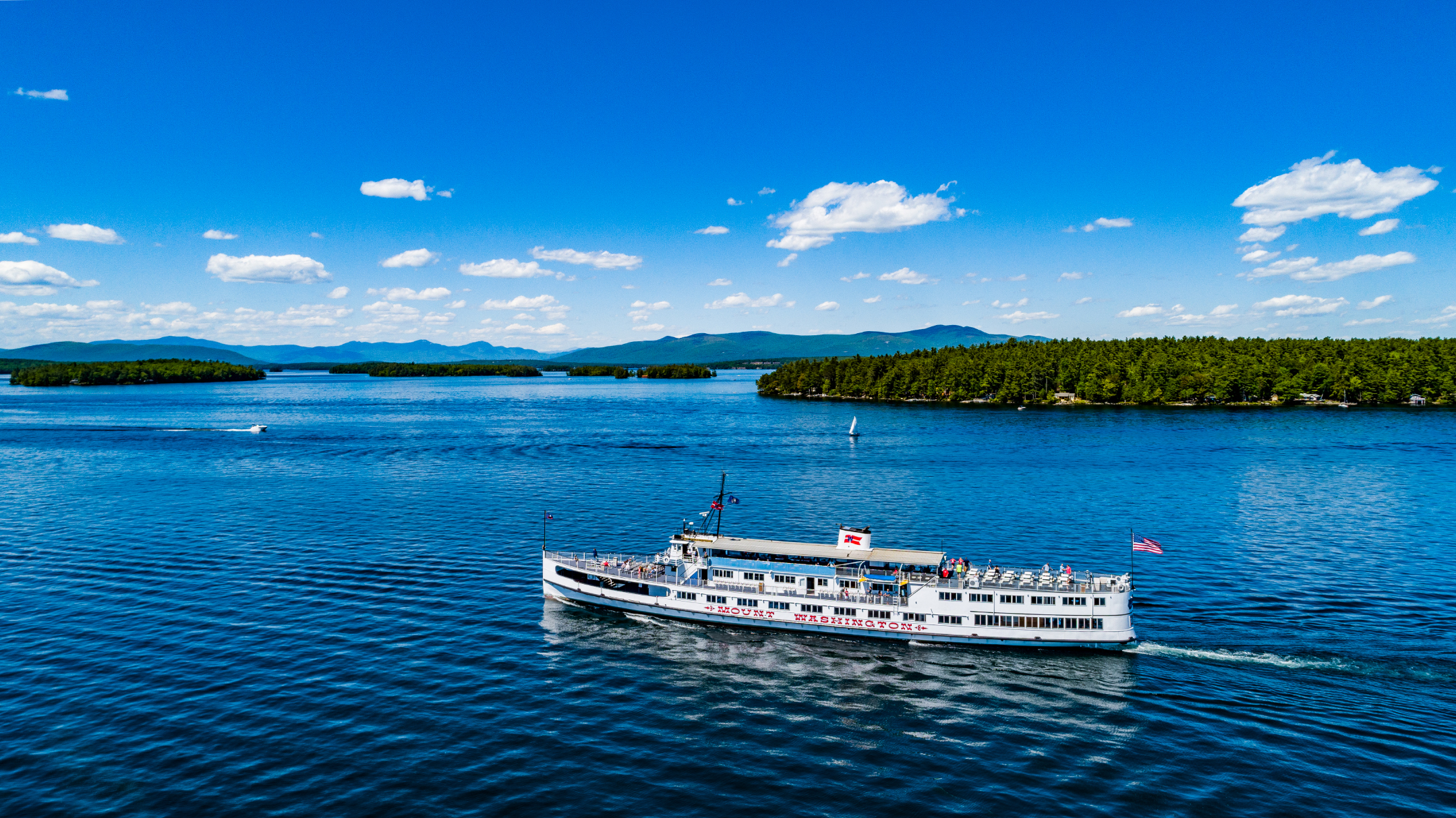
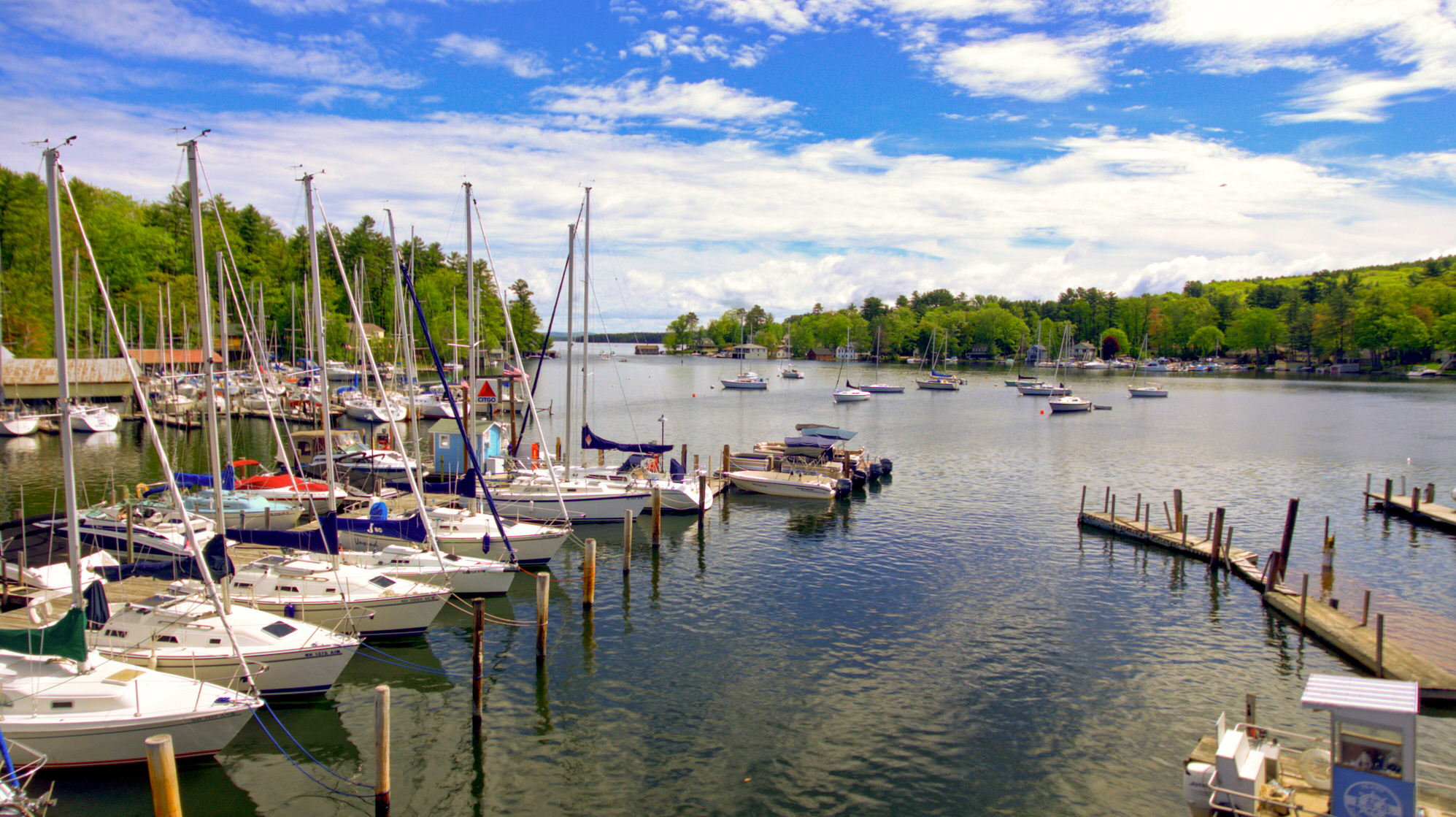
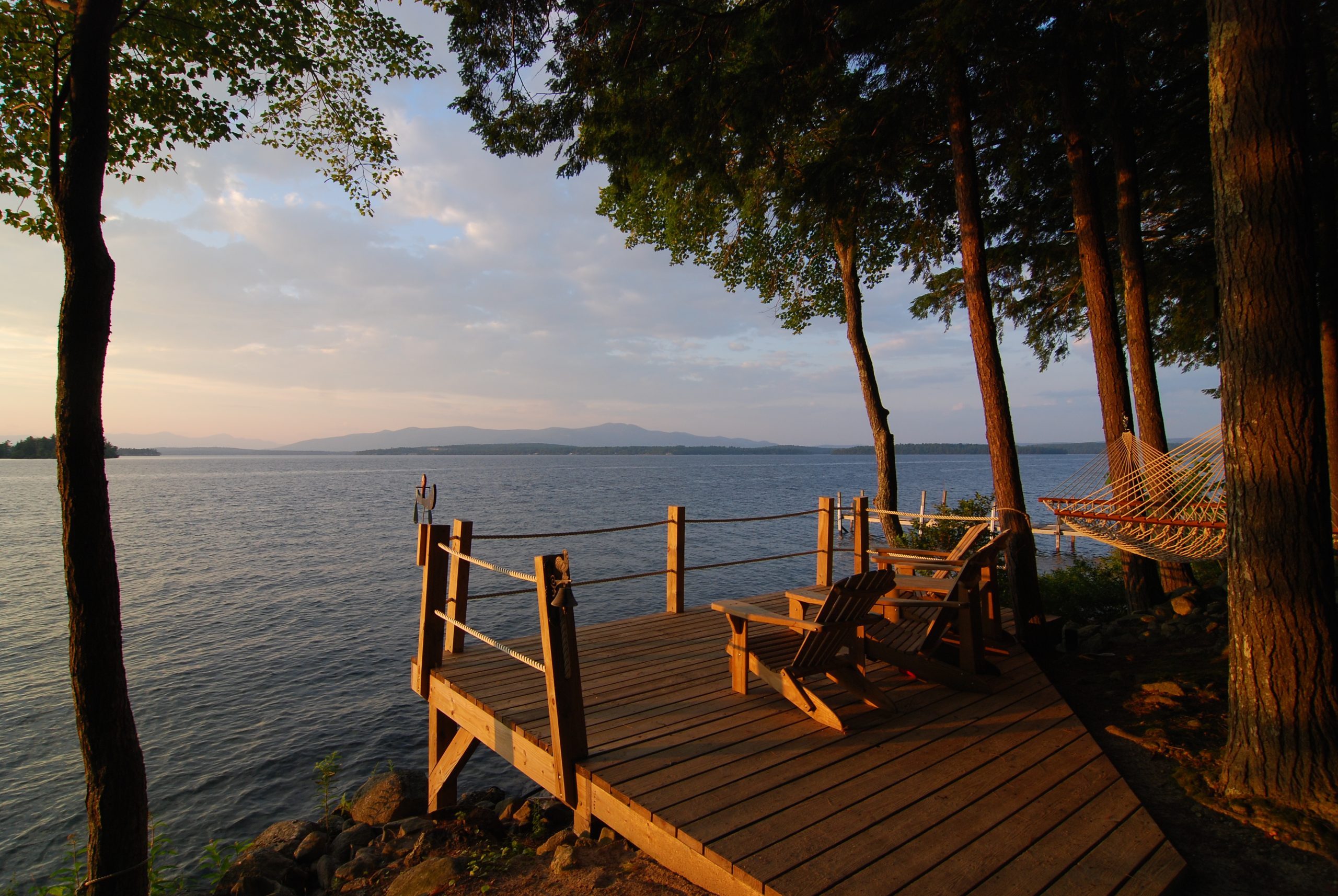
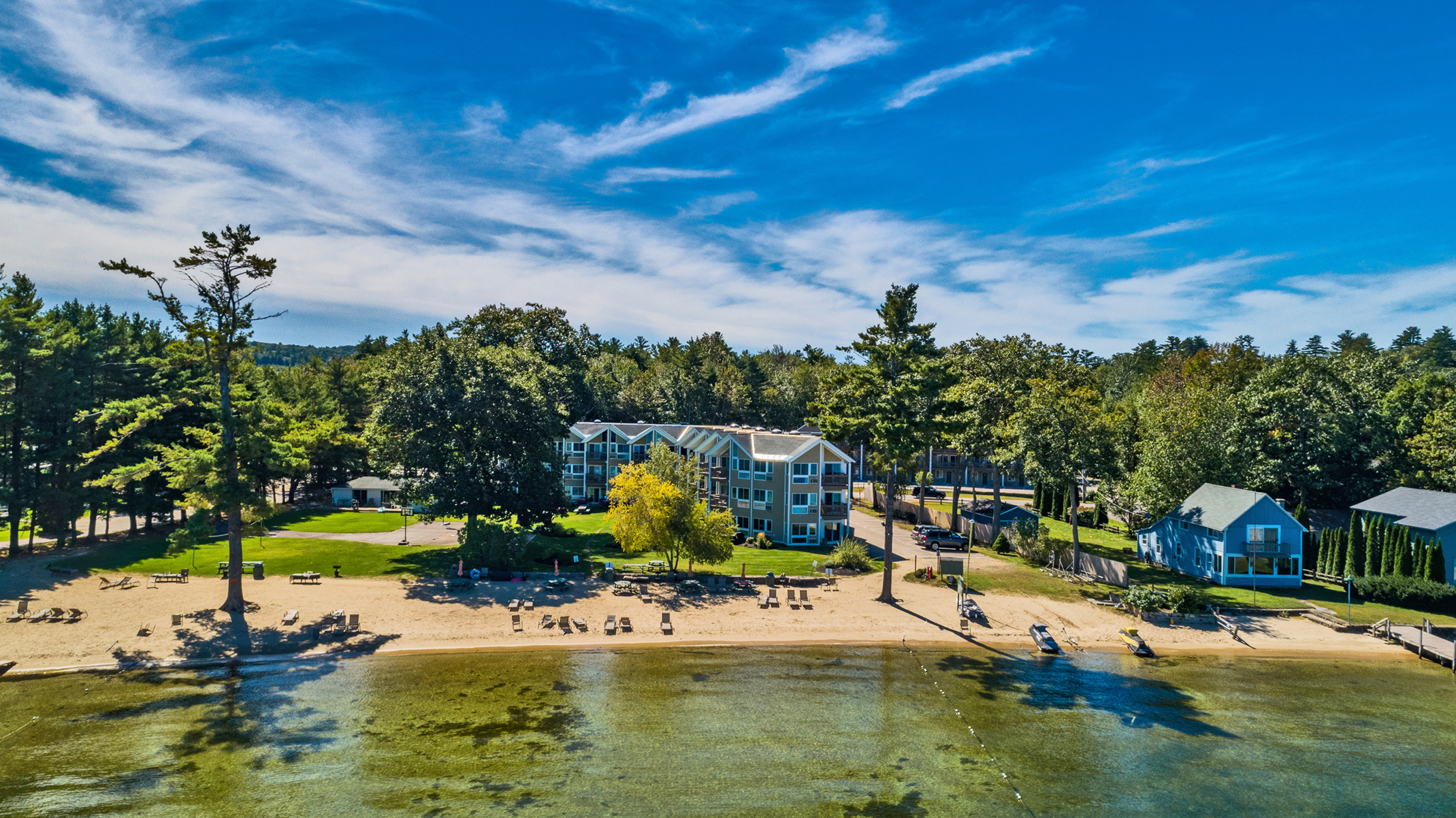
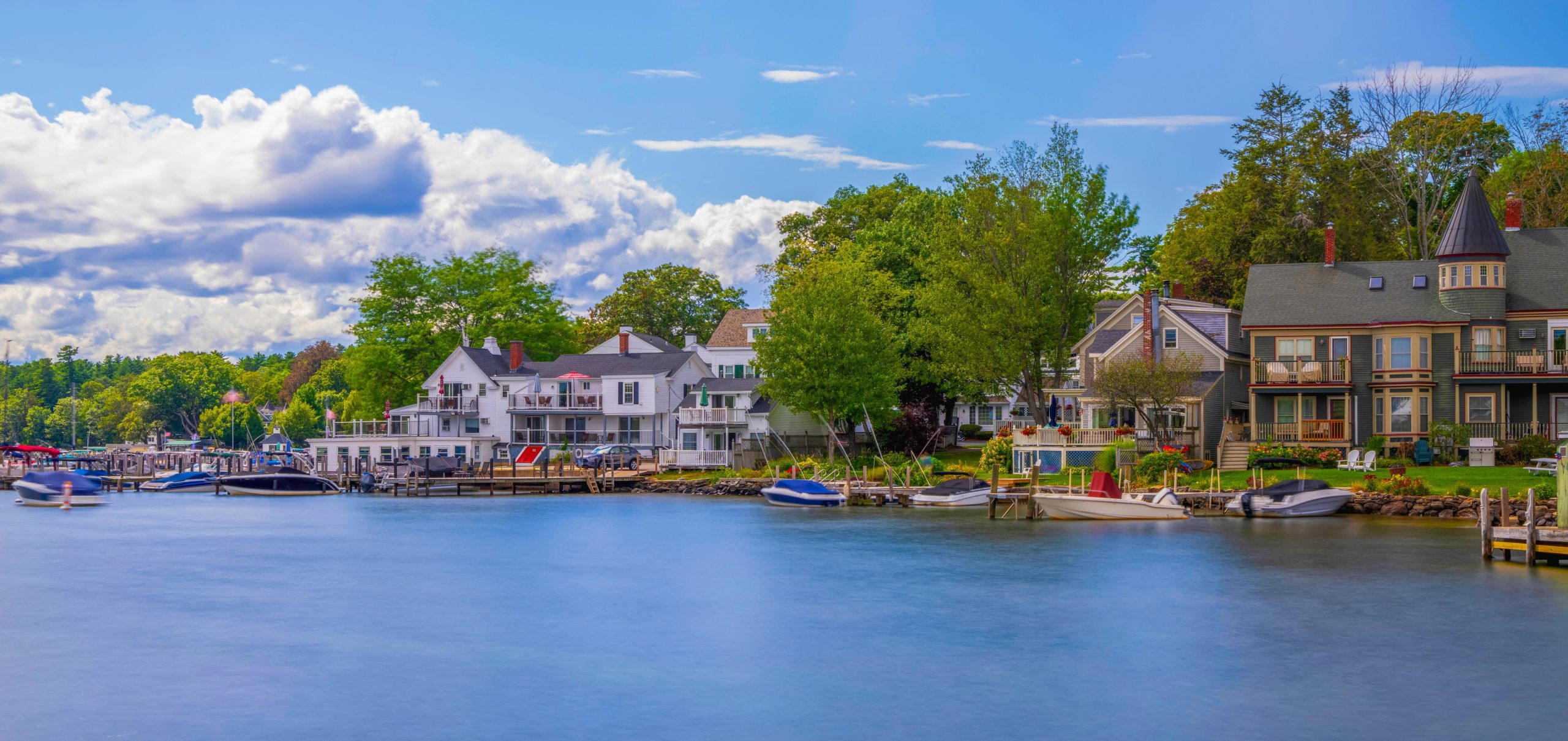
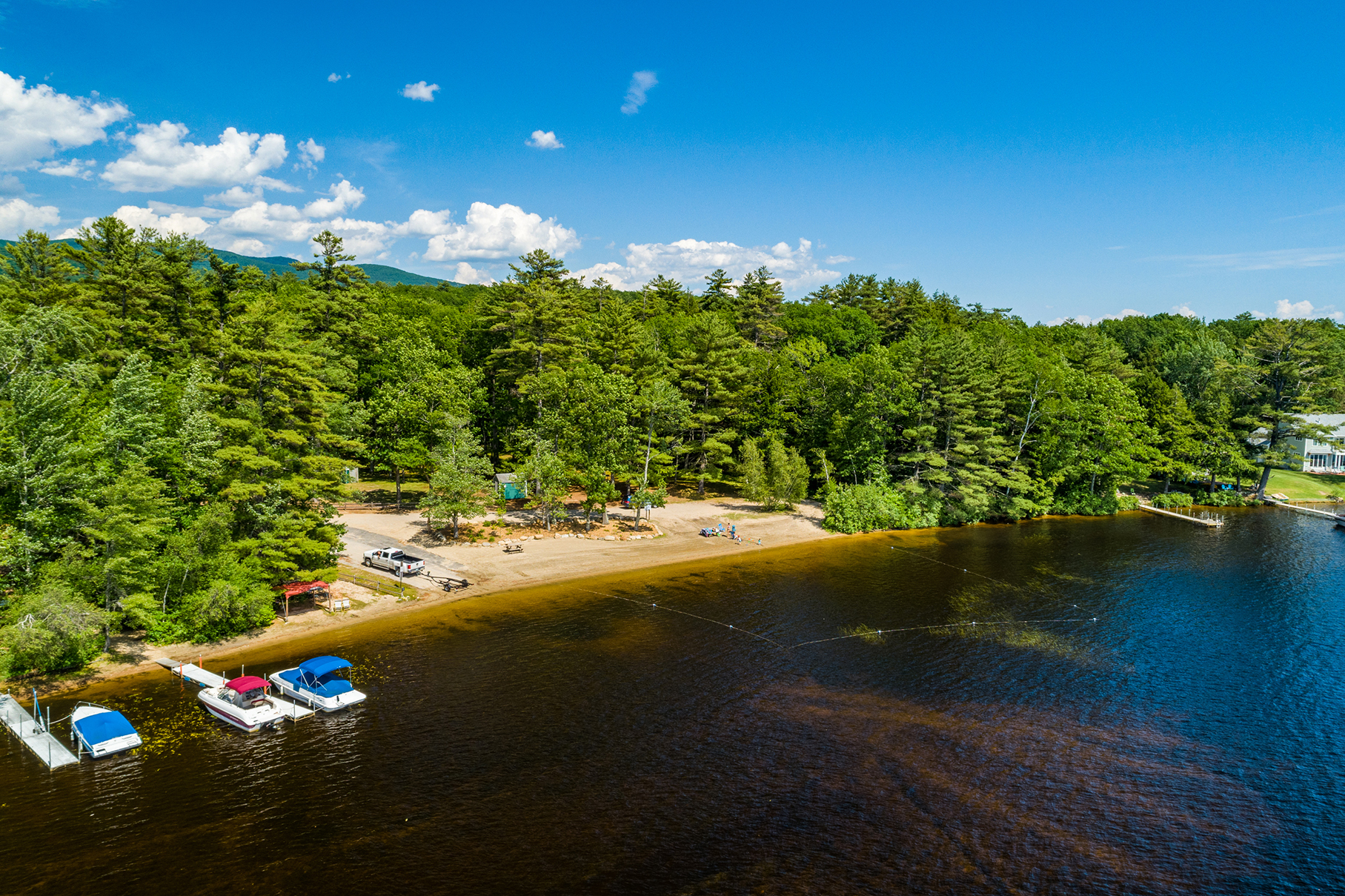
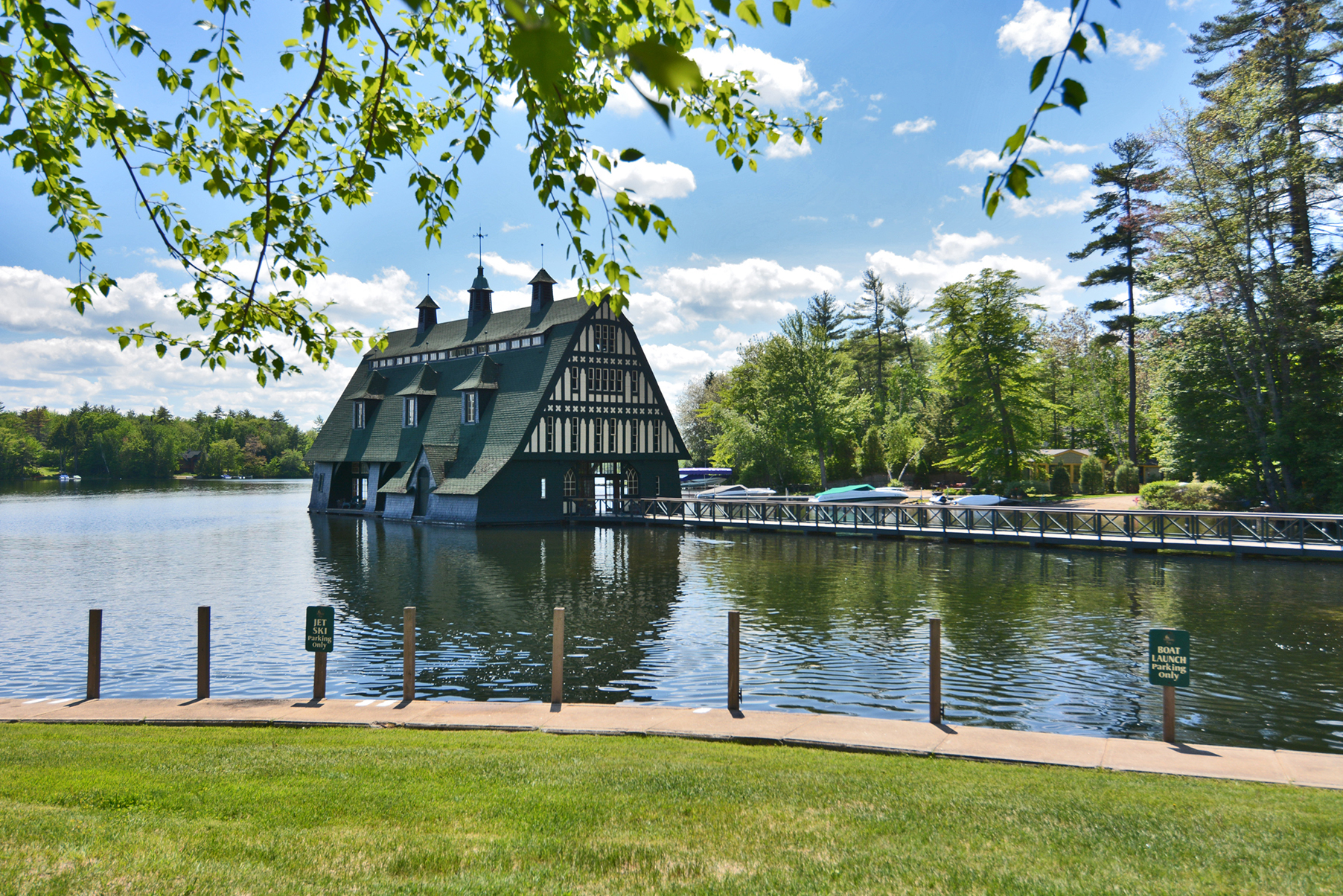
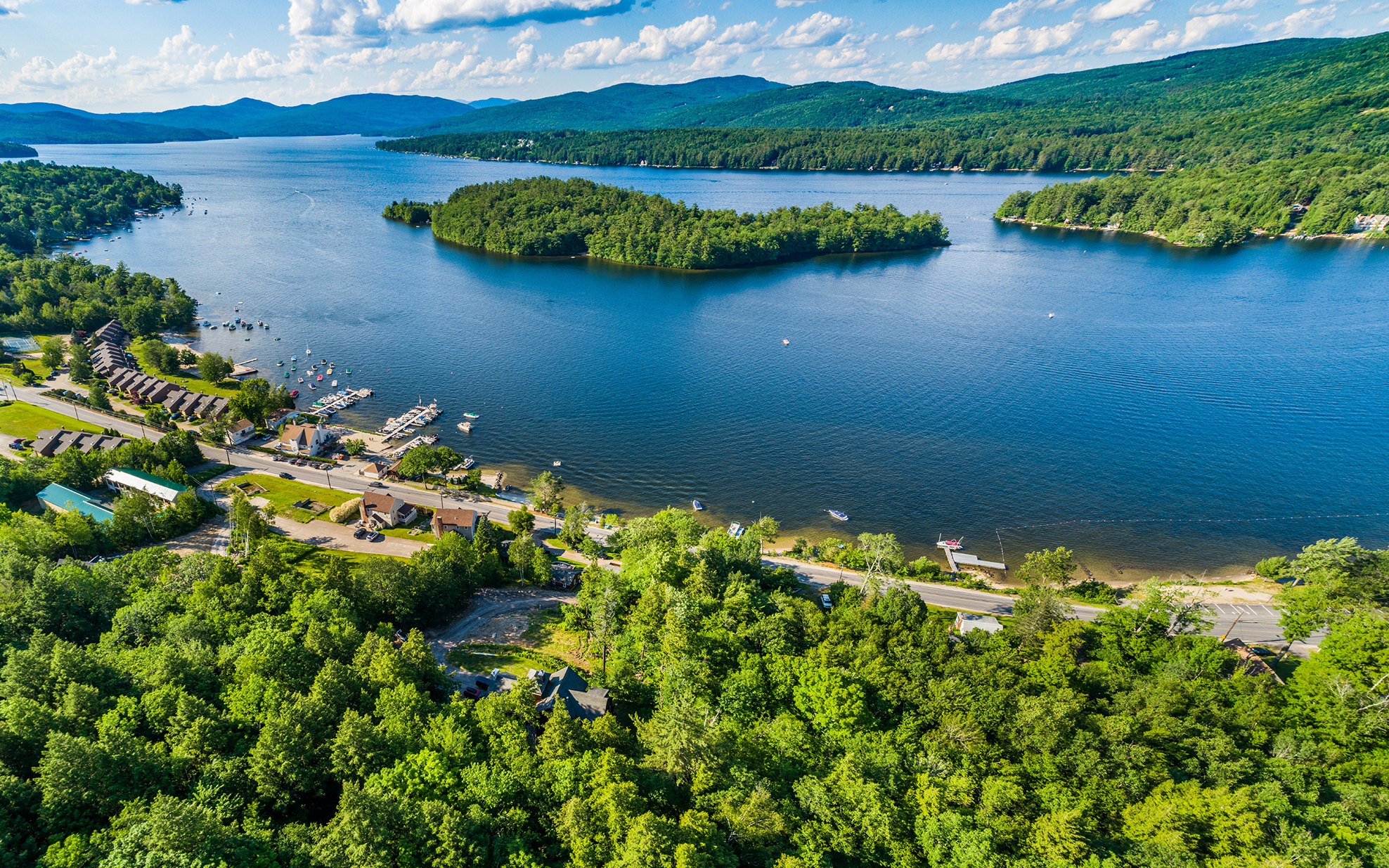
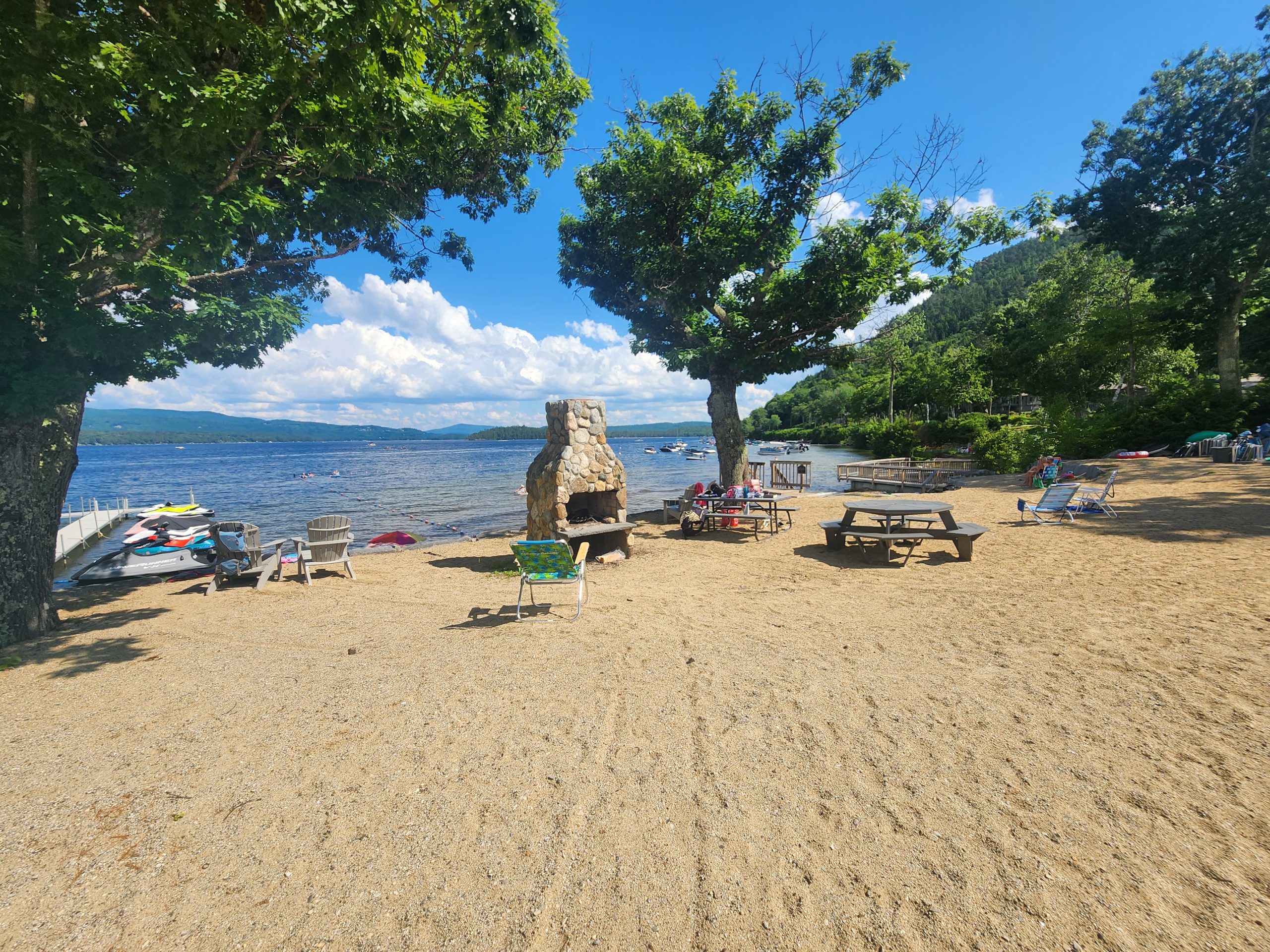
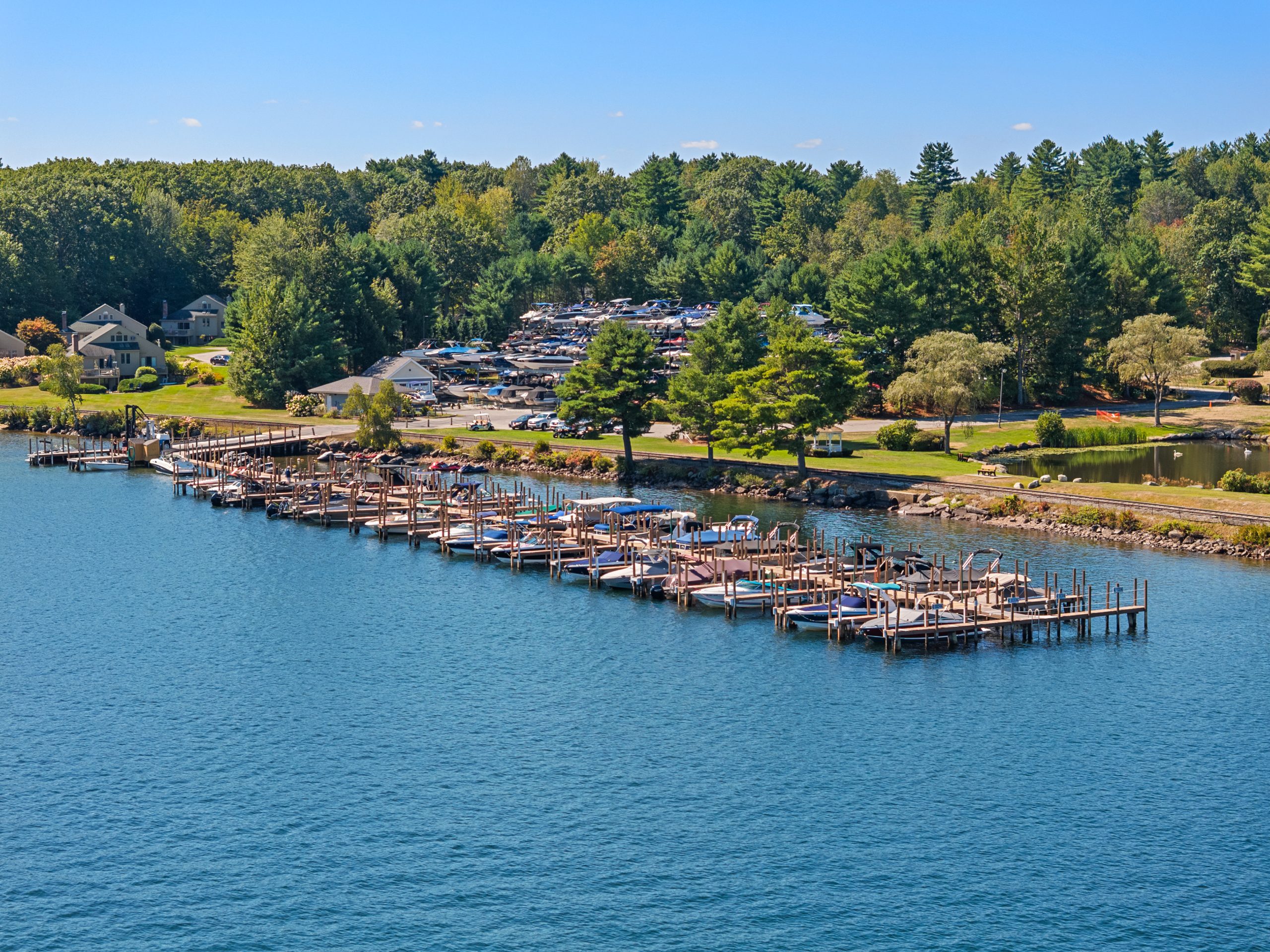
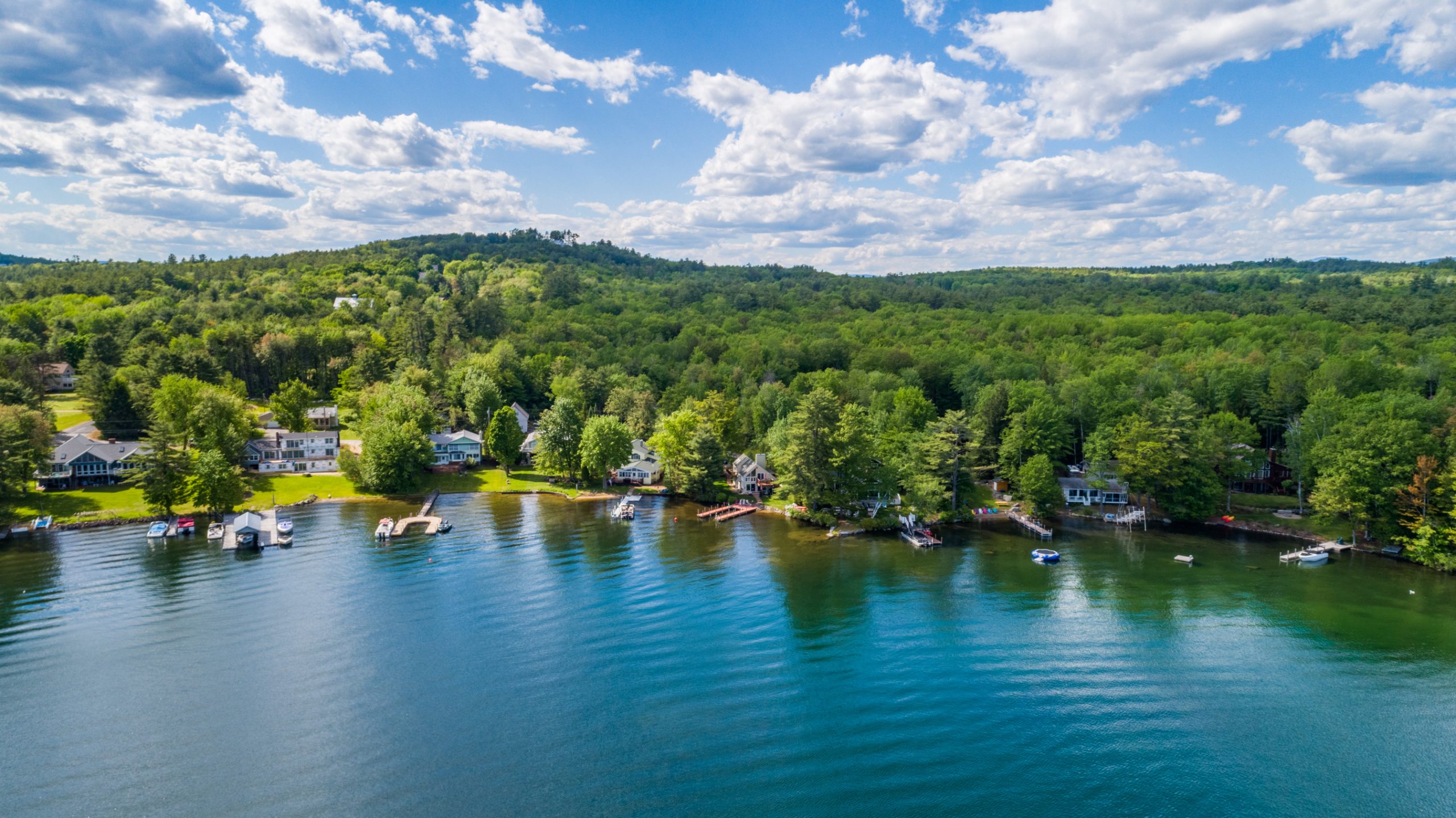
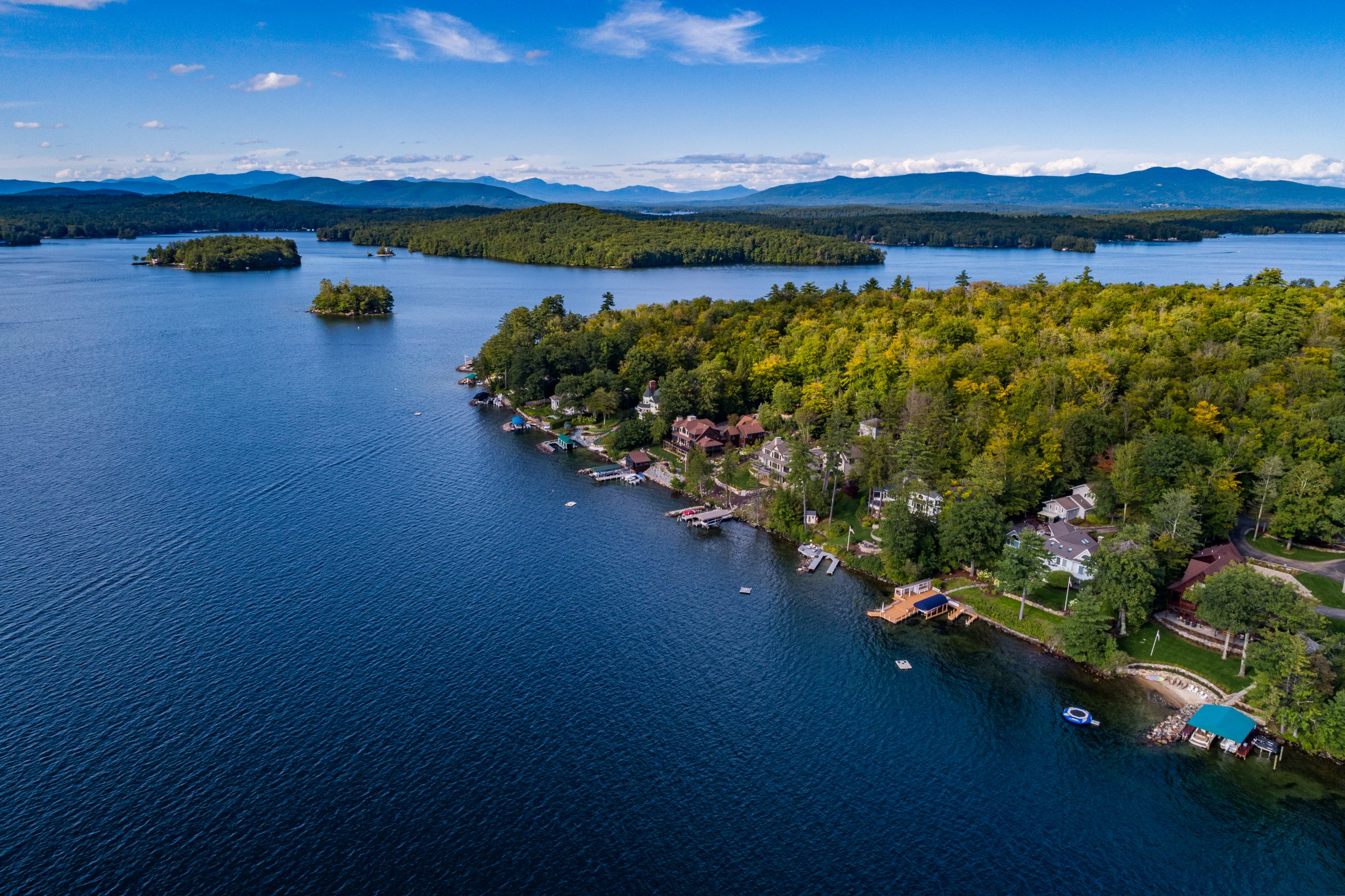
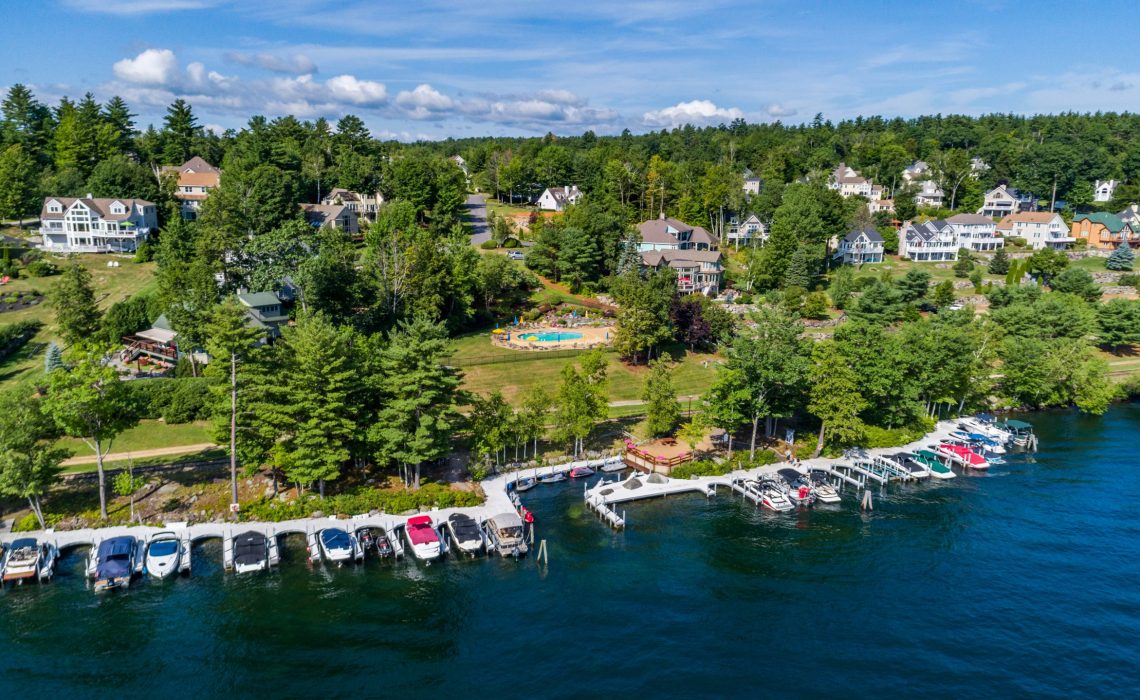
Nowhere is demand clearer than on Lake Winnipesaukee. Twenty-nine waterfront single-family homes closed in the first half of the year for a combined $92.6 million, a 43 percent jump in volume and a 16 percent increase in unit sales compared with 2025. The median price reached $2.3 million. The highest sale so far this year — $12.3 million on Black Cat Island in Meredith — underscores the continued strength at the top end.
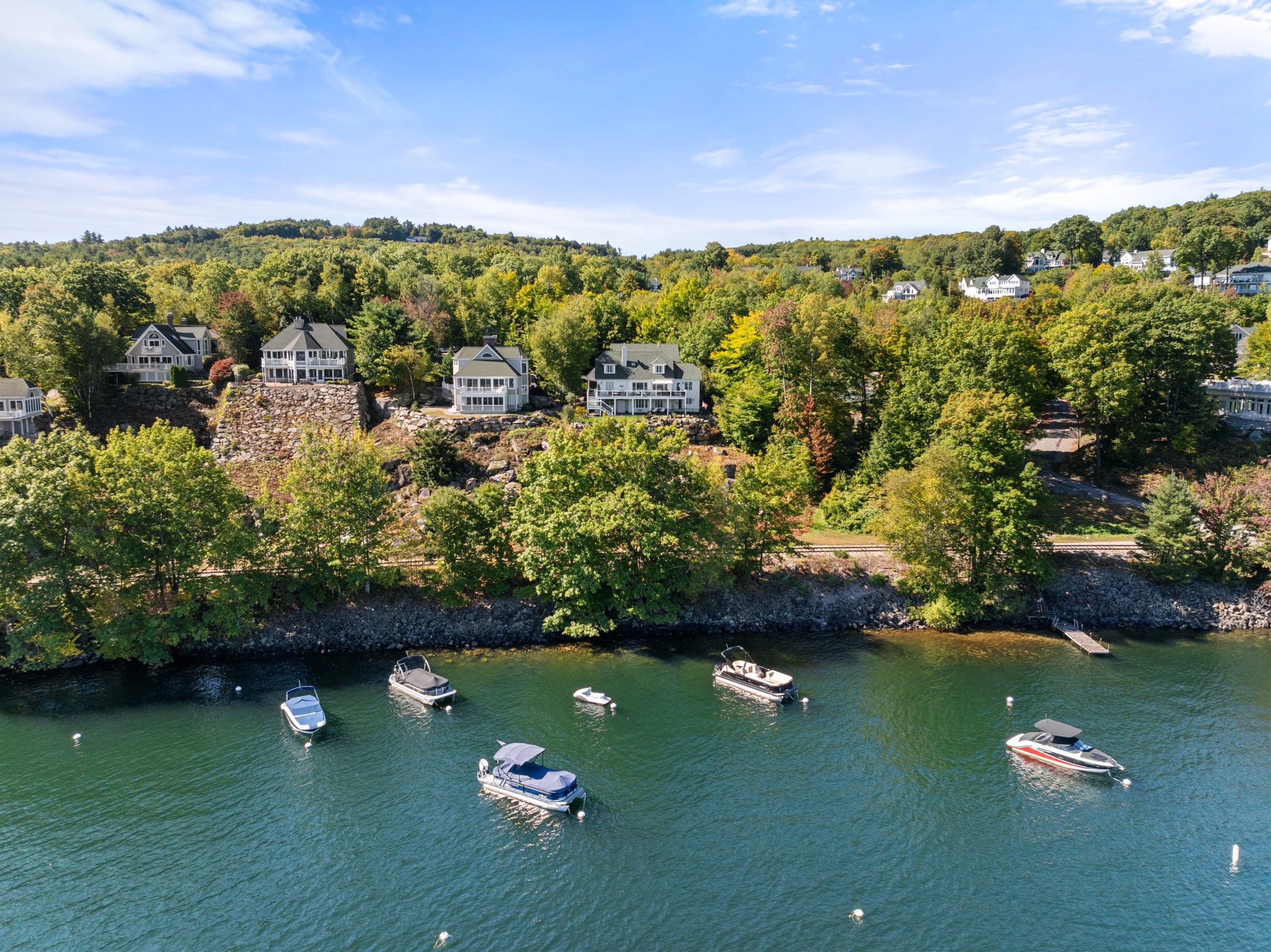
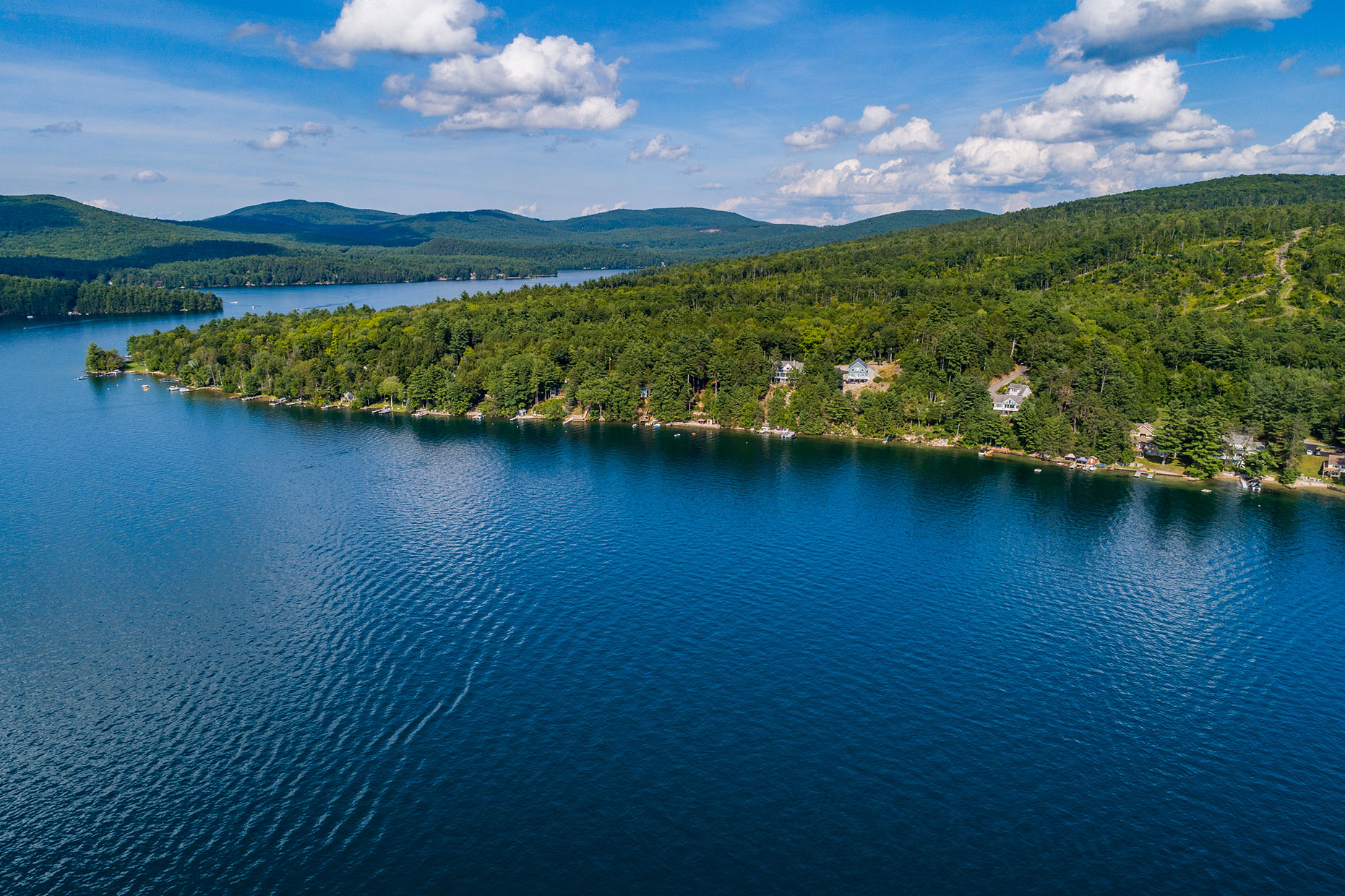
Waterfront properties overall still command a substantial premium, often 40 percent or more above similar non-waterfront homes. Inventory on the big lake has grown (46 waterfront listings at a median asking price of roughly $2.5 million), giving serious buyers more options, but quality properties with good docks, views, and location still attract strong interest from both local and out-of-state purchasers.
Land Remains Tight and Valuable
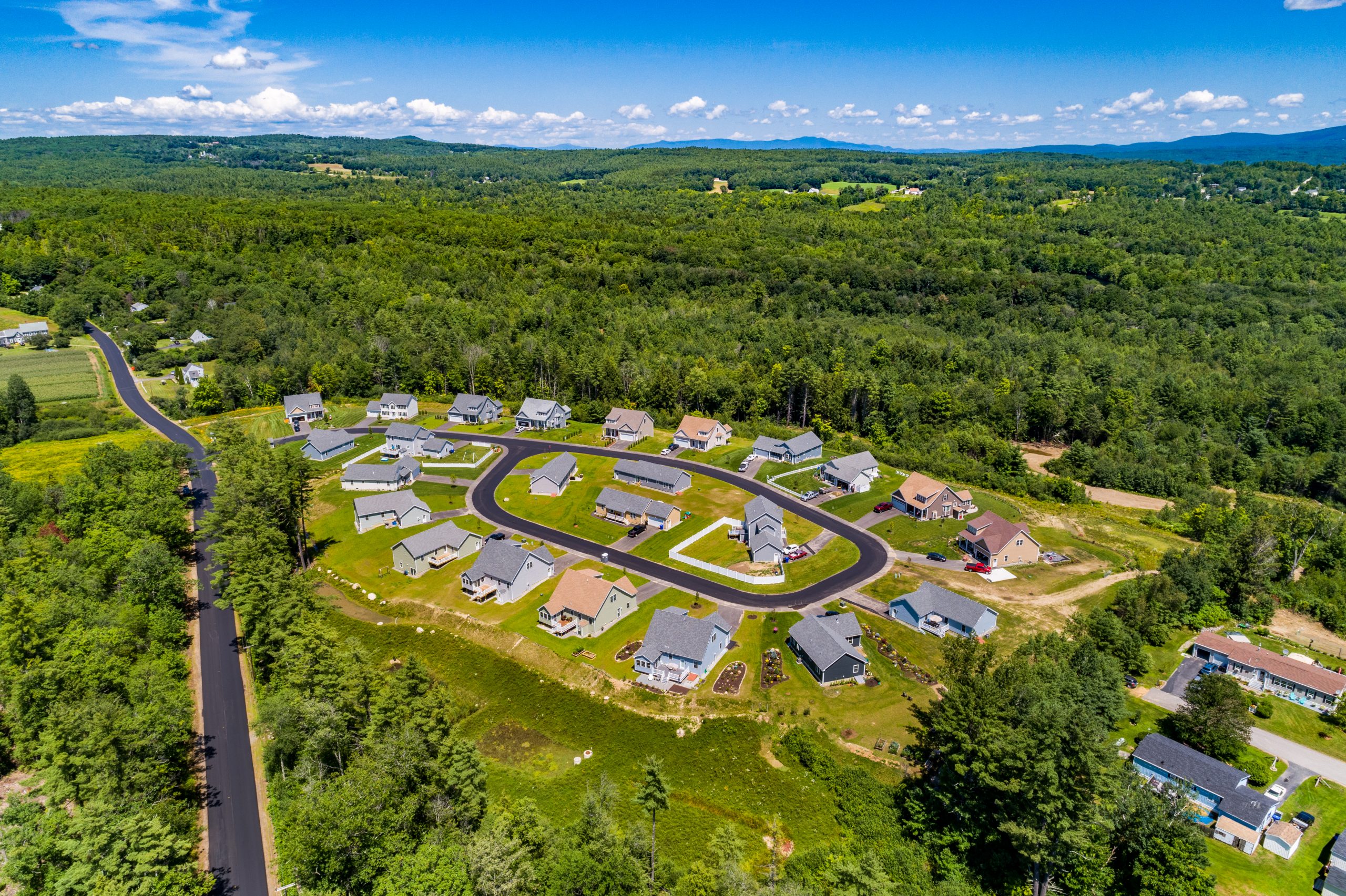
The land market continues to reflect scarcity. Limited buildable parcels, especially those with water access or development potential, are supporting higher prices even as some properties take longer to sell. Buyers remain focused on “build-ready” lots with clear septic/sewer potential, road access, and fewer regulatory hurdles. This trend has kept land values elevated relative to the rest of New Hampshire and continues to drive conversations about subdivisions, zoning, and long-term planning in communities across Belknap and Carroll counties.
Condos and Affordability Questions
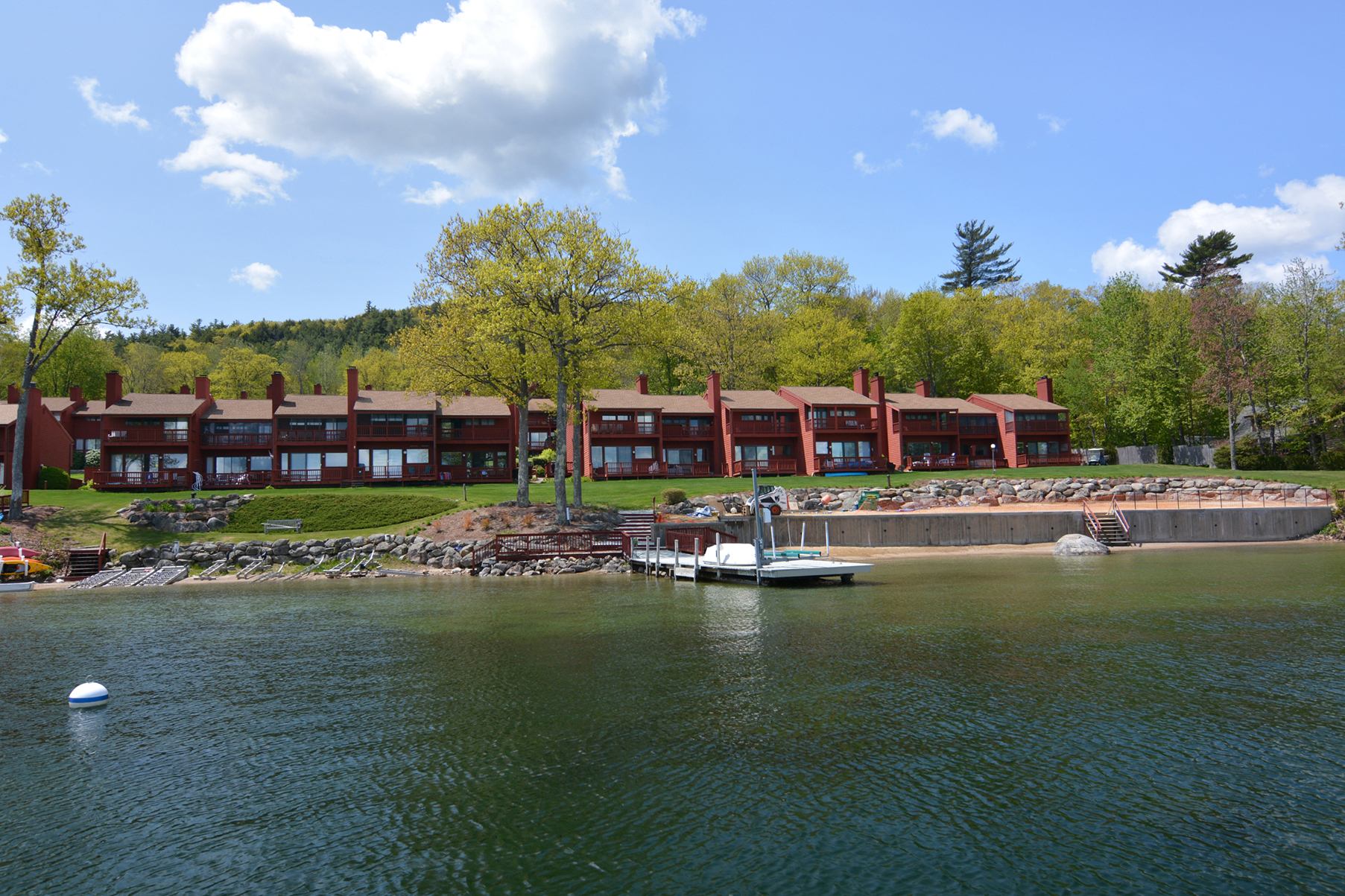
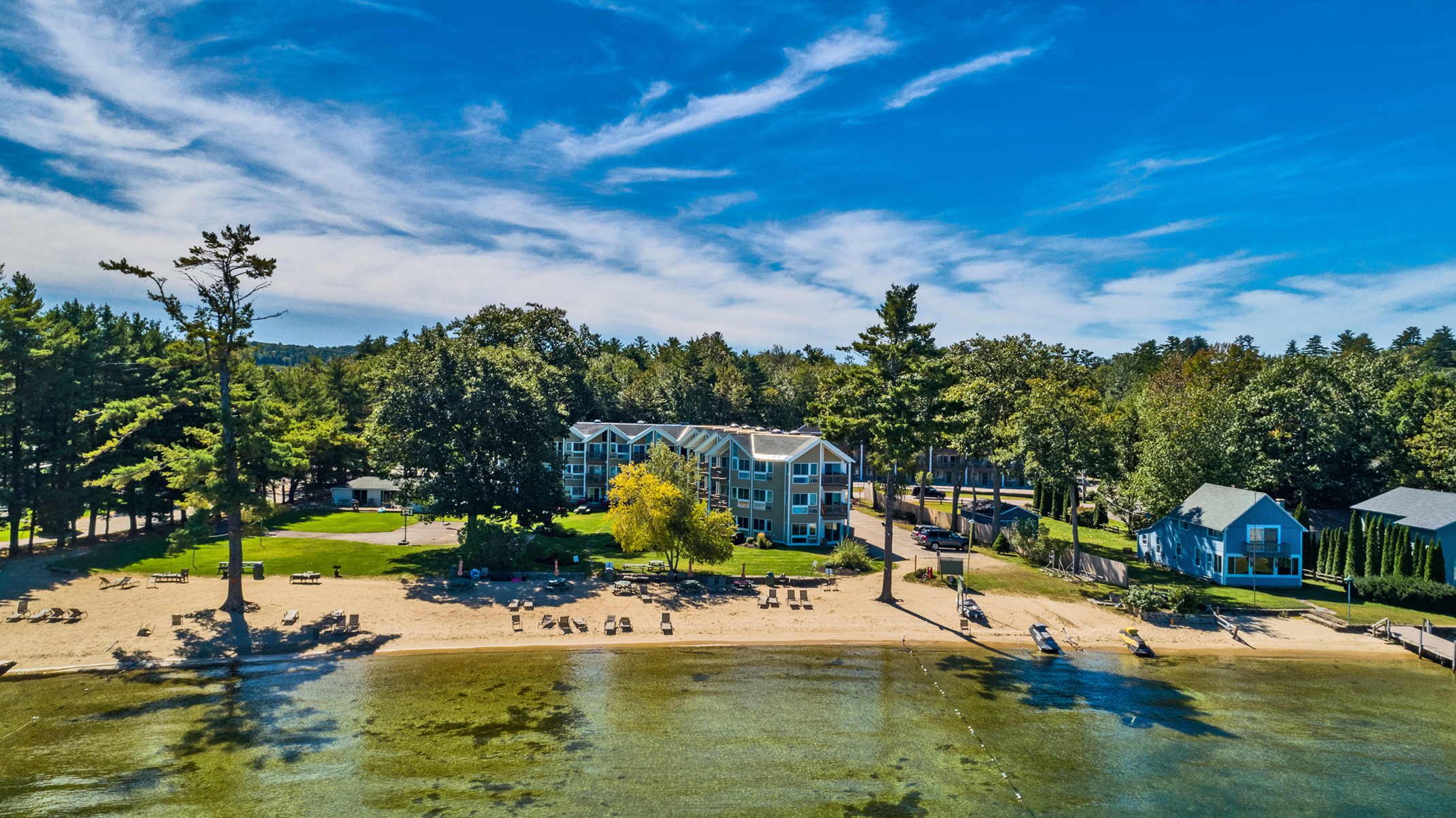
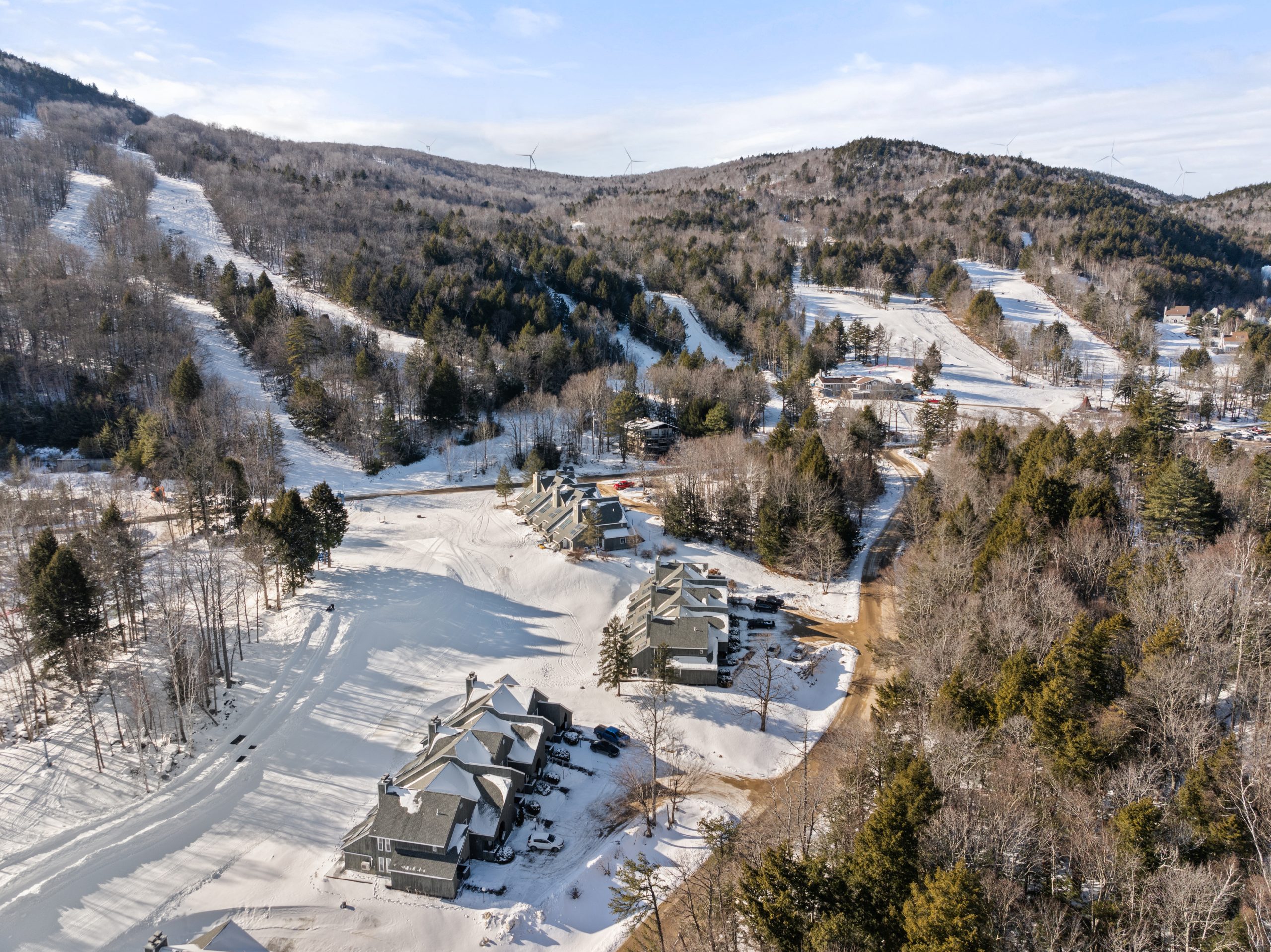
Condominium sales tell a slightly different story. Unit volume was down about 12 percent in the first half of the year, yet the median sales price rose 17.6 percent to $485,000. More condo inventory is available, and some higher-density projects — particularly in Laconia — are moving forward. These options are attracting buyers looking for lower maintenance and “lock-and-leave” convenience, especially second-home owners and those seeking value in a high-priced market.
Affordability remains a real challenge across New Hampshire. Statewide median prices have set new records in recent months at $575,000, and the Lakes Region is no exception. Higher mortgage rates and elevated purchase prices continue to limit some first-time and move-up buyers, which is one reason we are seeing increased interest in well-located condos and carefully priced single-family resale homes under the median.
Looking Ahead
Migration, semi-retirement, and the enduring appeal of lake living continue to fuel demand. Buyers from Massachusetts, southern New Hampshire, and farther afield still view the Lakes Region as a lifestyle destination. At the same time, the modest increase in inventory and a more selective buyer pool mean that realistic pricing and strong presentation matter more than they did two or three years ago.
For sellers, this is still a good market if expectations are grounded in current data. For buyers, the additional inventory offers genuine opportunities that simply did not exist all that long ago. Overall, the Lakes Region remains one of New Hampshire’s most resilient real estate markets — steady, desirable, and driven by the quality of life that draws people here in the first place.
State Legislative Efforts Aim to Ease Housing Costs
One of my roles in real estate is serving as an RPAC (Realtors Political Action Committee) Trustee. In speaking with several currently serving lawmakers, as well as, candidates hoping to win a seat this fall, the theme is clear. Property Taxes and Home Affordability are the number one and number two issues facing the state, per several polls. And Lawmakers are listening. There are numerous bills in development and many that have passed recently addressing the many challenges facing the housing crisis. These measures focus on reducing regulatory barriers, increasing supply, and supporting infrastructure for new development—issues that directly impact buyers and sellers in the Lakes Region.
SB 564 and Buildable Land
Key among them is SB 564, which prohibits municipalities from imposing overly restrictive limits on dead-end road lengths or numerical caps on housing lots, provided developments meet state fire code standards. The bill also allows utilities such as septic systems and electric distribution to be placed in perimeter buffers or open space areas (excluding wetlands and protected shorelands). Proponents argue these changes will lower development costs and timelines while encouraging responsible growth; the legislation is expected to help unlock more buildable land in areas like ours, where road access and infrastructure can be hurdles.
HB 1010 and HB 1588
Companion bills HB 1010 and HB 1588 refine last year’s law, allowing multi-family residential development in commercially zoned areas. These updates provide clearer standards for infrastructure reviews (roads, water, and sewer) and enable municipalities to create special assessment districts to help finance necessary improvements. If signed, they will take effect soon and could support more condo and workforce housing options in towns such as Laconia.
Affordable Housing and Alternative Housing Options
Other efforts include funding for affordable housing units (such as the recent $5.1 million allocation supporting projects statewide, including in Wolfeboro) and ongoing discussions around accessory dwelling units, manufactured housing, and commercial-to-residential conversions. While not every proposal advances smoothly, the overall direction reflects a bipartisan push to increase housing supply and moderate long-term price pressure.
These state-level actions complement local market dynamics and could create additional opportunities for buyers seeking attainable options and for developers navigating zoning and infrastructure constraints in the Lakes Region.
A Positive Outlook for the Lakes Region
The combination of a more balanced local market, increased inventory, and strong ongoing demand for waterfront and lifestyle properties positions the Lakes Region well for a healthy second half of 2026. Sellers with well-priced, move-in-ready homes or development-potential land continue to see solid results, while buyers benefit from more choices than in recent years.
The 21st Century ROAD to Housing Act
Adding to this momentum is the 21st Century ROAD to Housing Act, the most significant federal housing legislation in decades, which recently became law. The bipartisan measure aims to increase national housing supply through incentives for manufactured and modular homes, expanded financing tools, limits on large institutional investors in single-family properties, and support for local infrastructure and zoning reforms. While its full effects will unfold gradually, these provisions could complement New Hampshire’s own recent legislative steps by making attainable housing options more viable and unlocking additional private capital for development—good news for long-term affordability and growth in communities across the Lakes Region.
As always, the Lakes Region’s greatest strength remains its timeless appeal. Whether you are thinking of selling, buying, or developing property, the fundamentals remain strong.

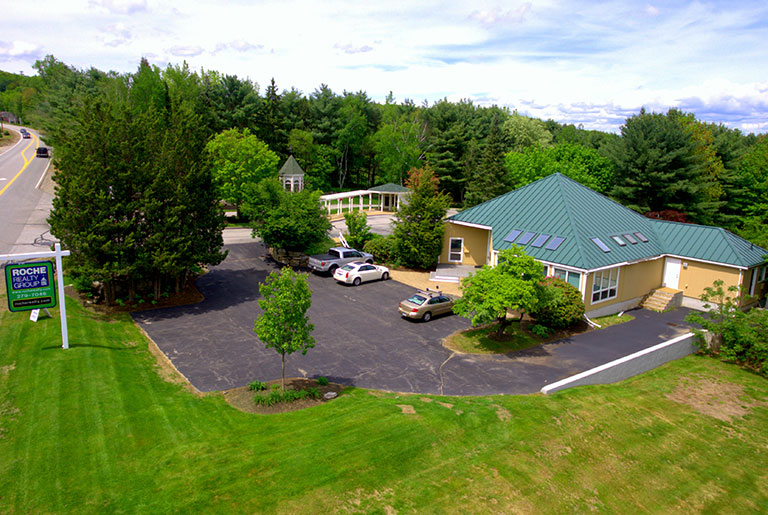
This article was written by Randy Miller. Randy is a Realtor® at Roche Realty Group in Meredith, NH, and can be reached at (603) 279-7046. Please feel free to visit www.rocherealty.com to learn more about the Lakes Region and its real estate market.
Frequently Asked Questions About the Lakes Region NH Real Estate Market in 2026
What is happening in the Lakes Region real estate market in 2026?
The Lakes Region real estate market is moving closer to a balanced market as housing inventory increases. However, prices remain strong, with the median single-family home sales price reaching $535,000 from January 1 through June 29, 2026.
Are home prices increasing in the Lakes Region?
Yes. The median sales price for a single-family home reached $535,000 during the first half of 2026, representing a 10.3 percent increase compared with the same period in 2025. Total sales volume also rose nearly 20 percent.
How is the Lake Winnipesaukee waterfront market performing?
Lake Winnipesaukee waterfront real estate remains strong. Twenty-nine waterfront single-family homes closed during the first half of 2026, totaling $92.6 million in sales volume. The median sales price reached $2.3 million.
Is there more housing inventory available for Lakes Region buyers?
Yes. As of late June 2026, there were 546 single-family homes listed across the 25 towns that make up the Lakes Region. The median asking price was $699,000, giving buyers more choices than they had during recent years.
Are condominiums becoming more affordable in the Lakes Region?
More condominium inventory is available, but prices remain elevated. Condominium sales declined by approximately 12 percent during the first half of 2026, while the median sales price increased 17.6 percent to $485,000.
How could new housing laws affect Lakes Region real estate?
New state housing measures could reduce regulatory barriers, make additional land available for development, and support infrastructure improvements. Over time, these changes could encourage more condominium, workforce, manufactured, modular, and attainable housing development.
What could SB 564 mean for Lakes Region development?
SB 564 could help unlock more buildable land by limiting overly restrictive municipal rules concerning dead-end roads and numerical caps on housing lots when developments meet state fire code standards. It also addresses where certain utilities may be placed.
How could HB 1010 and HB 1588 affect housing development?
HB 1010 and HB 1588 refine standards for multi-family residential development in commercially zoned areas. The measures could support additional housing by clarifying infrastructure reviews and allowing municipalities to establish special assessment districts for improvements.
What is the 21st Century ROAD to Housing Act?
The 21st Century ROAD to Housing Act is federal housing legislation intended to increase the national housing supply. Its provisions include support for manufactured and modular housing, expanded financing tools, local infrastructure, zoning reforms, and limits on large institutional investors in single-family properties.
Is 2026 a good time to buy or sell in the Lakes Region?
Sellers of appropriately priced and well-presented properties continue to see strong results. Buyers have more choices because inventory has increased, although competition remains strong for desirable waterfront homes, move-in-ready properties, and buildable land.